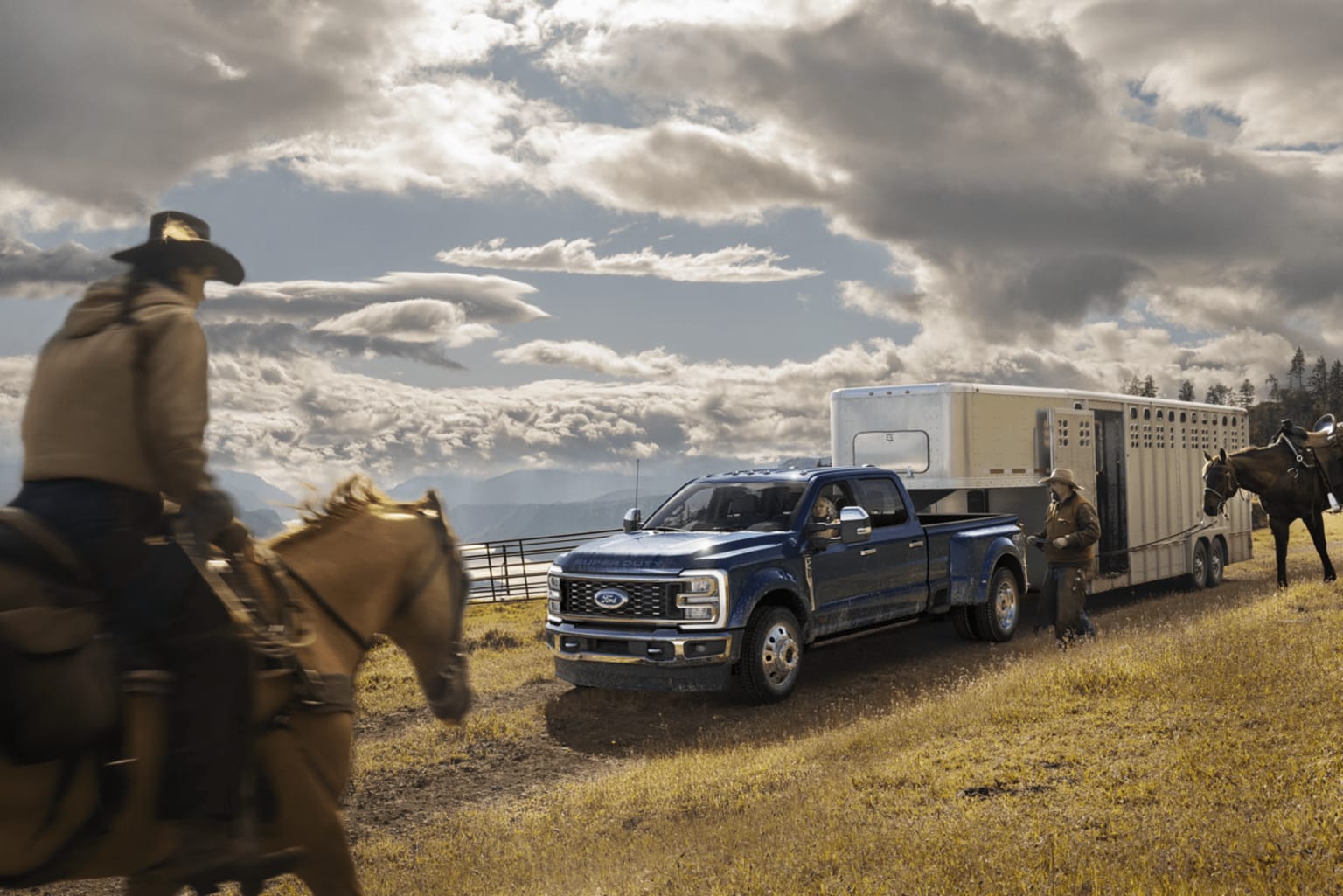
Super Duty and Ford F-250 Gas vs Diesel
Cost, Capability & Ownership
Choosing between Ford F-250 gas vs diesel power is one of the biggest decisions Super Duty buyers face. In this Ford diesel vs gas trucks comparison, we’ll break down the real differences in cost, capability, Ford F-250 diesel and gas mileage, and long-term ownership so you can choose the engine that actually fits how you use your truck.
It’s also important to note: the only Ford diesel trucks currently offered in the U.S. are Super Duty models, including the F-250. If you’re looking at diesel, you’re already in heavy-duty territory.
At J.C. Lewis Motor Company, we help buyers make this decision every day. Here’s what you need to know if you’re comparing Super Duty or Ford F-250 gas vs diesel.
Gas vs Diesel Super Duty: The Big Picture
Both gas and diesel Super Duty trucks are built for serious work—but they shine in different ways.
Gas engines prioritize lower upfront cost and simpler ownership
Diesel engines focus on maximum torque, towing confidence, and long-haul efficiency
Comparing Ford F-250 gas vs diesel? The right choice depends less on “which is better” and more on how you actually use your truck.
Capability Comparison: Towing & Torque
Both Super Duty and Ford F-250 gas vs diesel trucks offer serious capability, but they’re built to excel in different situations.
Gas Super Duty (F-250)
Gas-powered Super Duty trucks deliver strong, reliable performance for most work and towing needs.
What gas does well:
Excellent for light-to-moderate towing
Strong payload capability
Responsive acceleration for daily driving
Lower initial purchase price
For many owners, gas power handles trailers, equipment, and jobsite use without stepping up to diesel.
Diesel Super Duty (F-250 Power Stroke®)
Diesel power is all about torque and control under heavy load.
What diesel excels at:
Significantly higher torque output
Better performance when towing heavy trailers
More stable power delivery on hills and long grades
Ideal for frequent or maximum towing
If you’re comparing Ford F-250 gas vs diesel and tow large trailers regularly or operate near max capacity, diesel capability is hard to beat.
Daily Driving & Comfort
Both gas and diesel Super Duty trucks offer similar interiors, technology, and ride comfort—but driving feel differs slightly.
Gas trucks feel lighter and quieter in stop-and-go driving
Diesel trucks feel more planted and confident under load
If your truck doubles as a daily driver, gas power often feels more convenient.

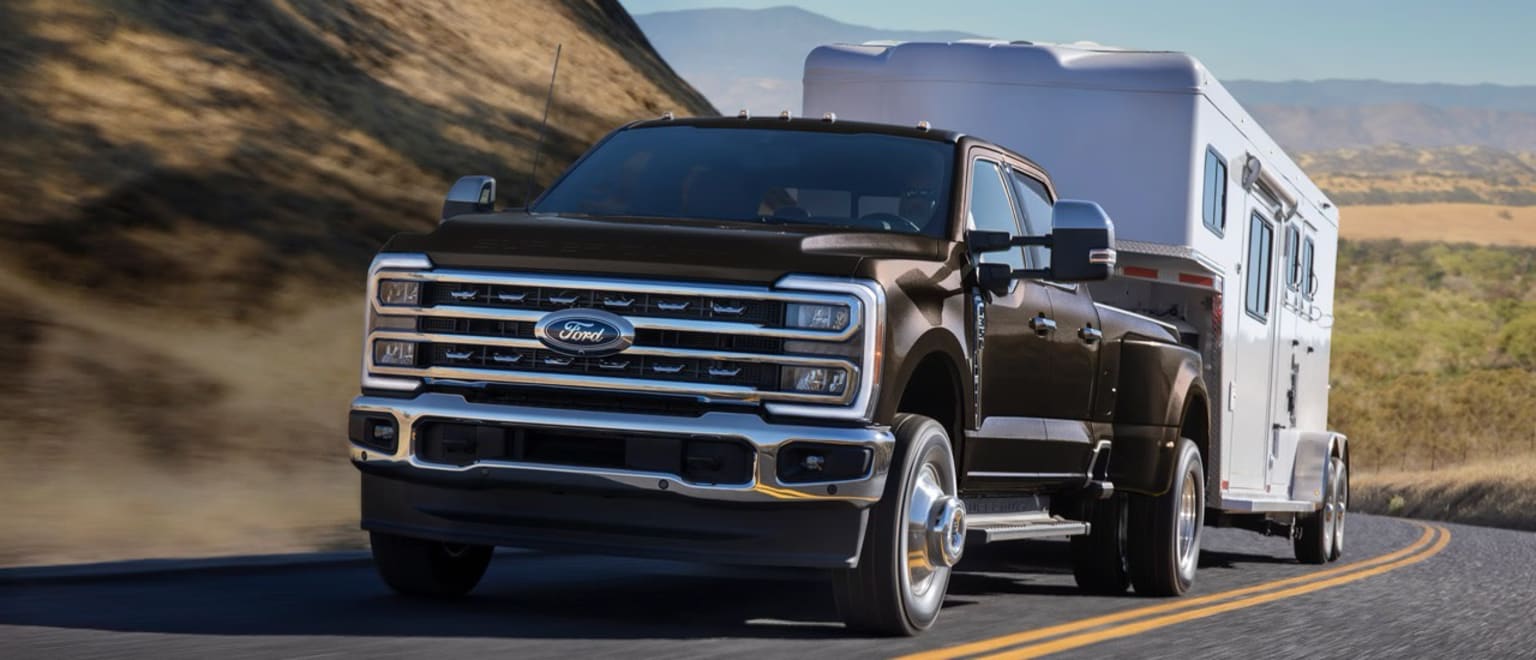
Cost of Ownership: Upfront vs Long-Term 💵
Upfront price is only part of the equation when choosing between gas and diesel. Long-term ownership costs (like maintenance, Ford F-250 diesel and gas mileage, and usage patterns) play a major role too.
Gas vs Diesel Purchase Cost:
One of the biggest differences in the Ford diesel vs gas trucks comparison is upfront cost.
Gas Super Duty: Lower purchase price
Diesel Super Duty: Higher initial cost due to the engine upgrade
For buyers who don’t need diesel capability daily, that price difference matters.
Maintenance & Long-Term Ownership:
Diesel ownership brings additional considerations:
Gas advantages:
Simpler maintenance
Lower service and repair costs
No diesel exhaust fluid (DEF)
Diesel considerations:
Higher maintenance costs
DEF usage
Designed for long-term durability under heavy loads
Gas vs Diesel Ford F-250 and Super Duty: Real-World Use
Specs like Ford F-250 diesel and gas mileage are helpful, but real-life use is what truly determines whether gas or diesel is the better fit. Below are a few common Super Duty scenarios and which powertrain typically makes the most sense for each.
Contractor & Jobsite Use
If the truck is used every day but only tows heavy occasionally, gas often wins. If towing is constant and heavy, diesel pays off.
Best fit: Depends on workload
Gas:
Daily driving between jobs
Carrying tools, ladders, and materials
Occasional trailer use
Lower operating and maintenance costs
Diesel:
Towing heavy equipment daily
Long hours under load
Consistent use near max capacity
RV Owners & Frequent Towing
Diesel Super Duty trucks are ideal for fifth-wheel trailers, large campers, and long-distance towing where confidence matters most.
Best fit: Diesel
Higher torque for steep grades and long highway pulls
Better efficiency when towing large trailers
More stable power delivery under sustained load
Fleet & Business Ownership
The right answer to Ford F-250 gas vs diesel usually depends on how hard and how often the trucks are worked.
Best fit: Depends on duty cycle
Gas:
Lower acquisition cost
Easier maintenance across multiple drivers
Ideal for light-to-moderate duty fleets
Diesel:
Best for high-mileage, heavy-load fleets
Designed for long service life under stress
Mixed Daily Driving + Weekend Towing
For buyers who want one truck that does everything reasonably well, gas power is often the most practical choice.
Best fit: Gas
More comfortable for commuting and errands
Lower upfront cost
Simpler ownership for drivers who tow on weekends or seasonally
Ford F-250 Diesel vs Gas Mileage: What to Expect ⛽
Fuel economy is another key factor when comparing Ford F-250 diesel and gas mileage.
Diesel Super Duty:
Better fuel efficiency under load
More efficient on long highway drives and towing
Gas Super Duty:
Lower fuel cost per gallon
Less efficient when towing heavy loads, but reasonable for daily driving
Diesel shines when towing frequently; gas often makes more sense for mixed-use or lighter-duty driving.
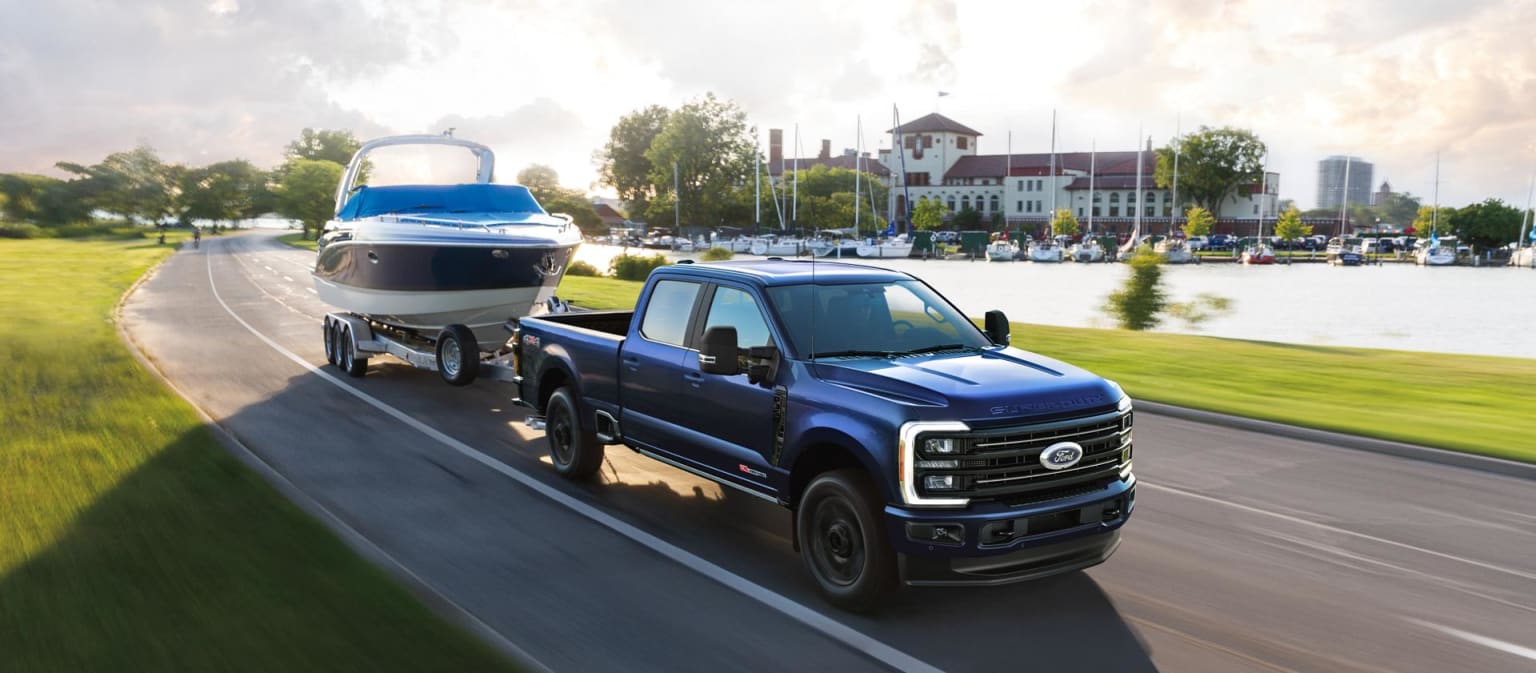
Which Should You Choose?
Here’s a quick way to decide on Super Duty or Ford F-250 gas vs diesel:
Choose a gas Super Duty if you:
Tow occasionally or moderately
Want lower upfront and maintenance costs
Use your truck for daily driving and work
Choose a diesel Super Duty if you:
Tow heavy trailers frequently
Operate near max capacity
Want maximum torque and towing confidence
Choose Power With Purpose
When it comes to Ford F-250 gas vs diesel, there’s no one-size-fits-all answer, only the right fit for how you work and drive.
Ready to take the next step? Contact or visit your nearest J.C. Lewis Motor Company location to explore available Super Duty inventory, compare gas and diesel options in person, and get expert guidance from a team that understands how these trucks are actually used. Whether you’re shopping online or stopping by the lot, we’re here to help you find the right fit with confidence.
Shop Super Duty
Ford F-250 & Super Duty Gas vs Diesel FAQs
Doing a Ford diesel vs gas trucks comparison always raises a lot of questions, especially with Ford’s heavy-duty lineup. Here are clear answers to the most common questions shoppers ask when comparing Ford F-250 and Super Duty gas vs diesel trucks.