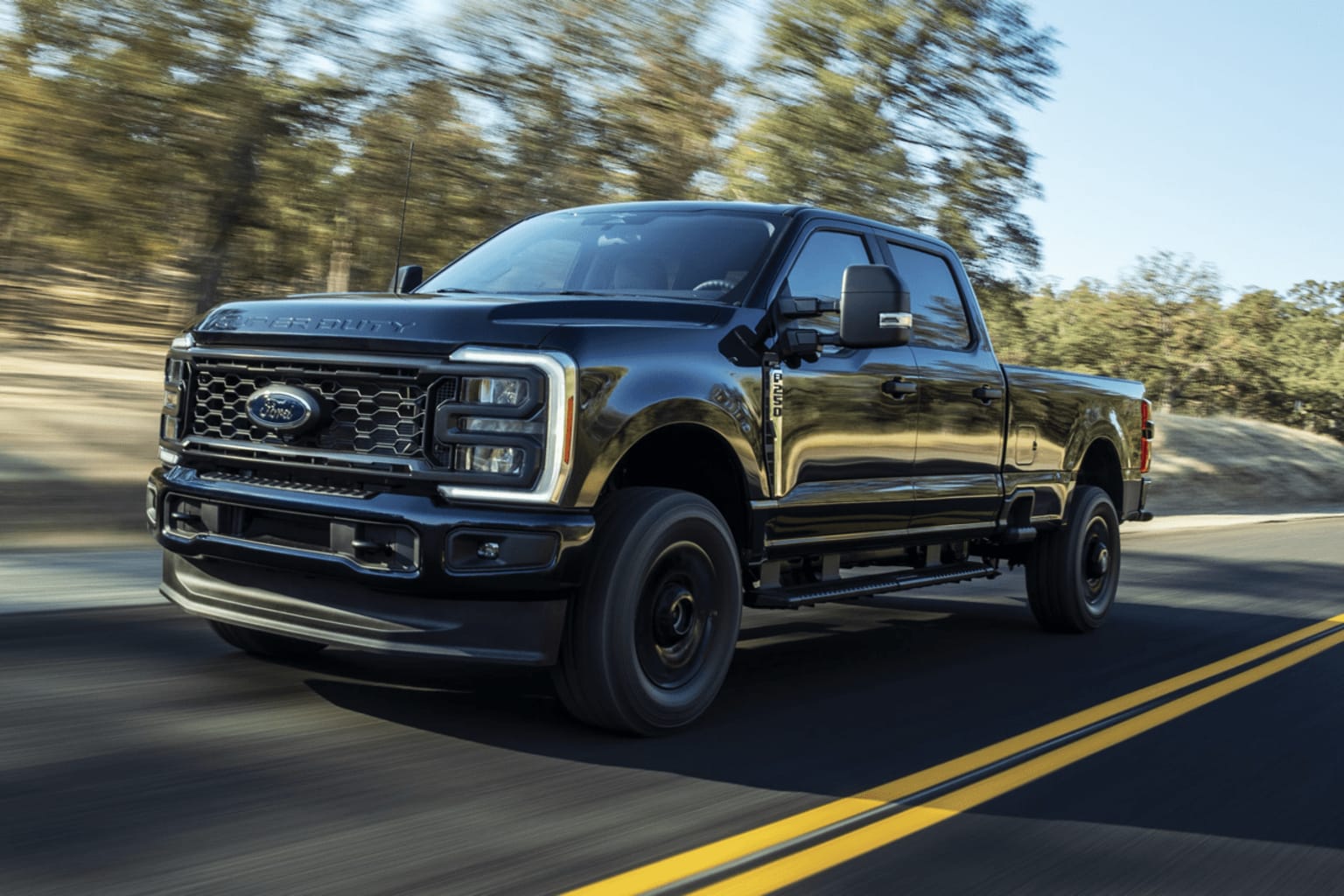
7.3 Godzilla vs 6.7 PowerStroke: Diesel or Gas for Your Super Duty?
Big Truck, Big Choice 🛻
Shopping for a Ford Super Duty means choosing more than a cab, bed, trim, or color. The real decision starts under the hood: 7.3 Godzilla vs 6.7 PowerStroke.
Both engines are built for serious work. The Ford 7.3 Godzilla gas V8 gives Super Duty shoppers strong power, a simpler gas-engine ownership experience, and a lower upfront cost than diesel. The 6.7 PowerStroke engine is the heavy-hauling choice, built for big torque, high-mileage work, and drivers who tow serious weight often.
At J.C. Lewis Motor Co., we help truck shoppers compare Ford Super Duty engine options based on how they actually use the truck: job sites, trailers, equipment, campers, farms, boats, long highway miles, and daily driving.
7.3 Godzilla vs 6.7 PowerStroke: Quick Answer
The short version: 7.3 Godzilla vs 6.7 PowerStroke comes down to how often you tow heavy and how long you plan to work the truck hard.
Choose the 7.3L gas V8 if you want strong capability, easier fueling, simpler maintenance, and a lower entry point. Choose the 6.7L diesel if you regularly tow heavy trailers, rack up miles, or need serious torque for long-term hauling. For 2026 Super Duty models, Ford lists the 7.3L gas V8 at 430 horsepower and 485 lb.-ft. of torque, while the 6.7L Power Stroke V8 Turbo Diesel is listed at 475 horsepower and 1,050 lb.-ft. of torque. The available High Output version raises that to 500 horsepower and 1,200 lb.-ft. of torque.
Pick 7.3L Gas If…
You tow occasionally or moderately, want strong V8 power, prefer simpler maintenance, and want to keep purchase cost lower.
Pick 6.7L Diesel If…
You tow heavy often, drive long distances under load, need maximum torque, or plan to use the truck hard for years.
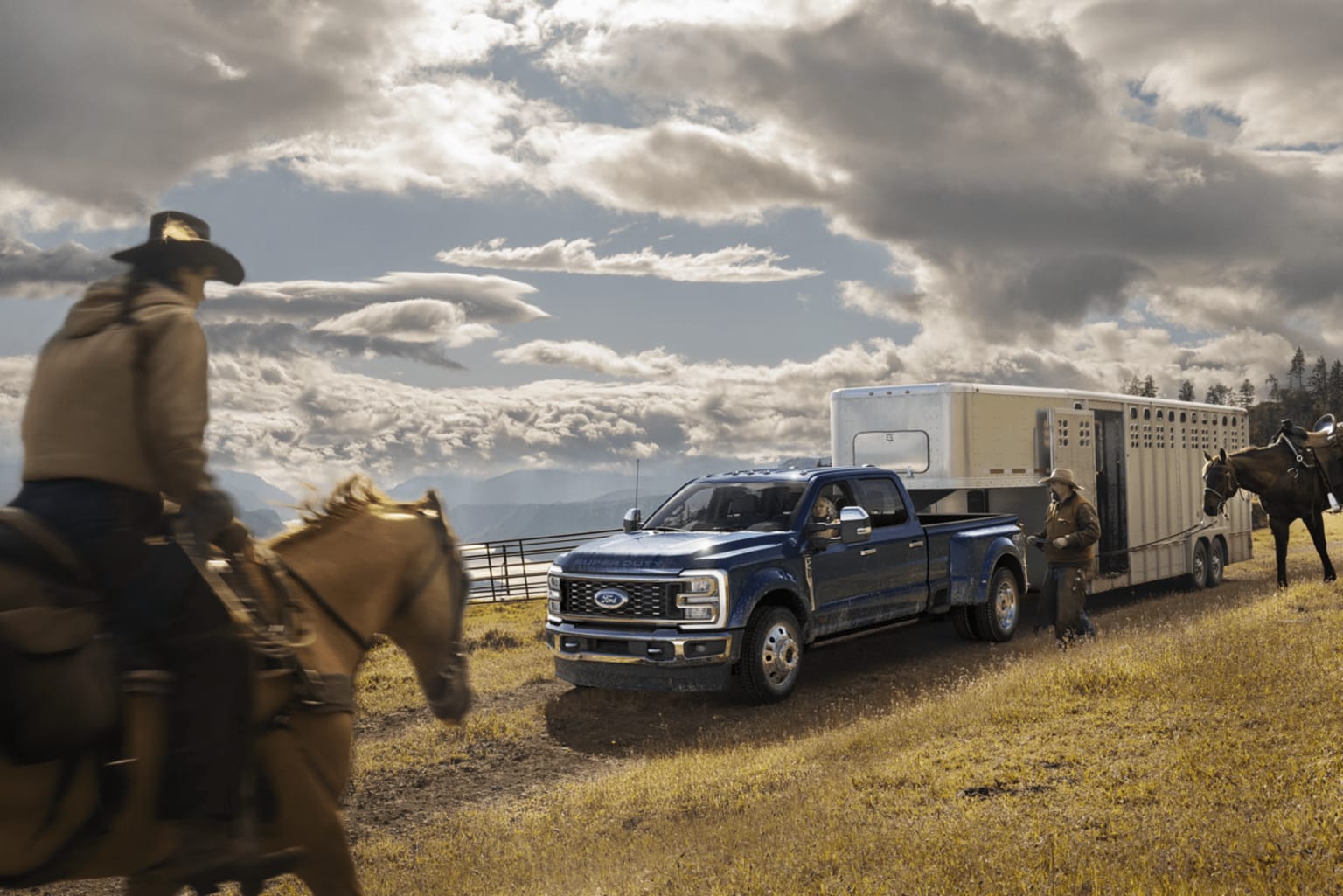
What Is the Ford 7.3 Godzilla?
The Ford 7.3 Godzilla is a large-displacement gas V8 used in Super Duty trucks. It’s naturally aspirated, so it doesn’t rely on a turbocharger like the diesel. That gives it a straightforward feel: strong pull, gas-engine familiarity, and real work-truck capability without stepping into diesel ownership.
In the 7.3 Godzilla vs 6.7 PowerStroke debate, the gas V8 is often the practical choice. It makes sense if you tow on weekends, haul tools or materials during the week, or want a Super Duty that works hard but stays simple to own.
The Ford 7.3 Godzilla joined the Super Duty lineup for the 2020 model year. Ford listed the 2020 7.3L gas V8 at 430 horsepower and 475 lb.-ft. of torque when it launched; current 2026 output is listed at 430 horsepower and 485 lb.-ft. of torque.
That’s where 7.3 Godzilla vs 6.7 PowerStroke really splits: gas gives you straightforward strength, while diesel brings the low-rpm torque built for heavier, longer, more demanding towing.
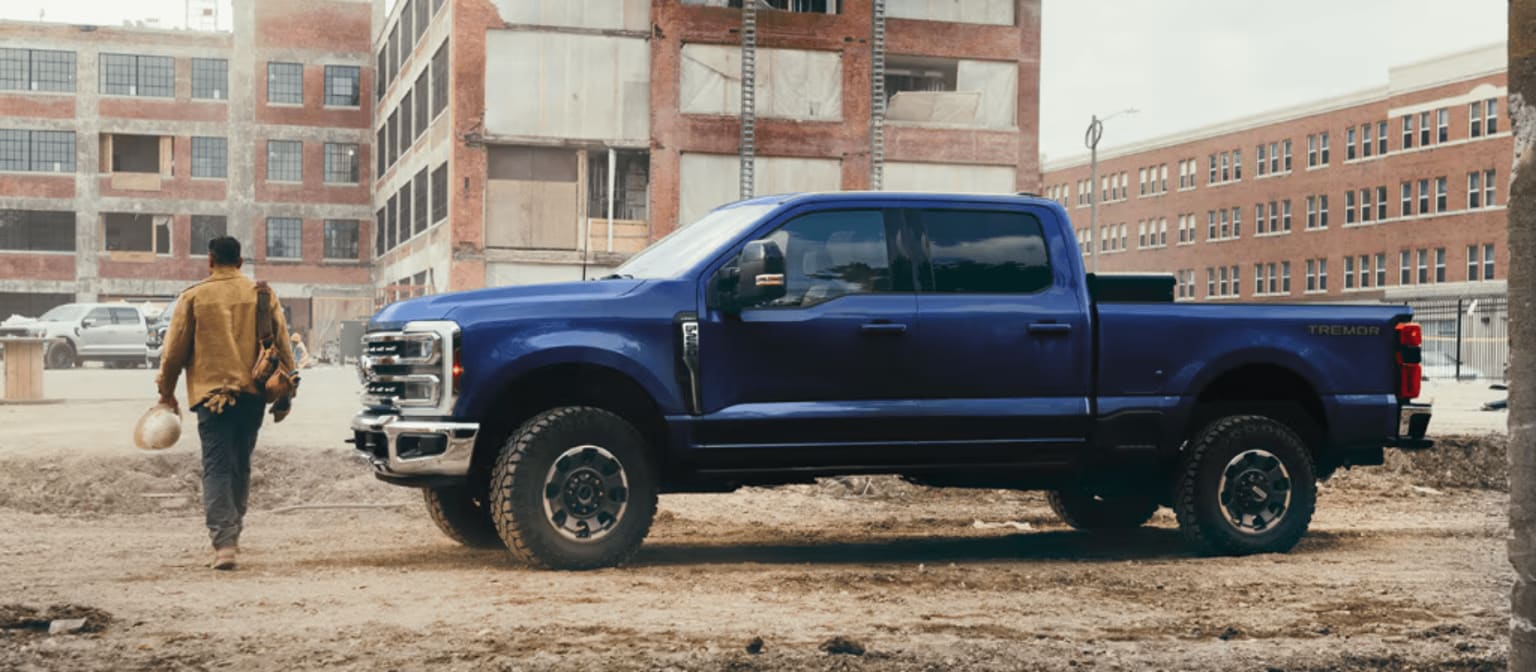
What Is the Ford 7.3 Godzilla?
The Ford 7.3 Godzilla is a large-displacement gas V8 used in Super Duty trucks. It’s naturally aspirated, so it doesn’t rely on a turbocharger like the diesel. That gives it a straightforward feel: strong pull, gas-engine familiarity, and real work-truck capability without stepping into diesel ownership.
In the 7.3 Godzilla vs 6.7 PowerStroke debate, the gas V8 is often the practical choice. It makes sense if you tow on weekends, haul tools or materials during the week, or want a Super Duty that works hard but stays simple to own.
The Ford 7.3 Godzilla joined the Super Duty lineup for the 2020 model year. Ford listed the 2020 7.3L gas V8 at 430 horsepower and 475 lb.-ft. of torque when it launched; current 2026 output is listed at 430 horsepower and 485 lb.-ft. of torque.
That’s where 7.3 Godzilla vs 6.7 PowerStroke really splits: gas gives you straightforward strength, while diesel brings the low-rpm torque built for heavier, longer, more demanding towing.
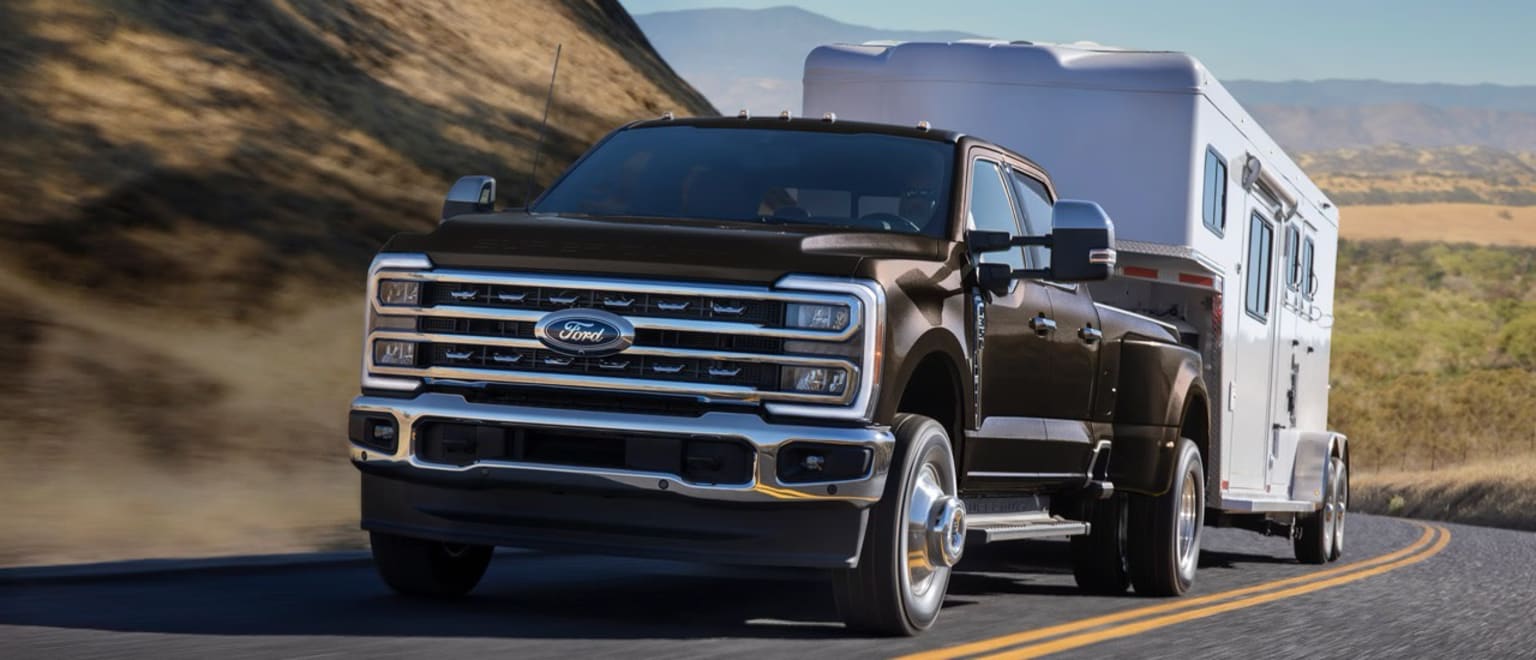
What Is the 6.7 PowerStroke Engine?
The 6.7 PowerStroke engine is Ford’s turbo diesel V8 for Super Duty trucks. It’s built for torque first, which is why it feels so confident with heavy trailers, equipment, gooseneck setups, livestock trailers, enclosed work trailers, and long-distance hauling.
Compared with the gas V8, the 6.7 PowerStroke engine makes its biggest number low in the rev range. That matters when you’re pulling weight from a stop, climbing grades, passing with a trailer, or trying to keep the truck settled with a heavy load behind it.
In 7.3 Godzilla vs 6.7 PowerStroke, the diesel is the clear muscle choice when heavy towing is part of your normal week, not just something you do a few times a year.
Super Duty Engine Options at a Glance
Ford lists multiple Ford Super Duty engine options for current Super Duty trucks, including the 6.8L gas V8, 7.3L gas V8, 6.7L Power Stroke diesel, and 6.7L High Output Power Stroke diesel, with availability depending on model and configuration.
Engine | Best Fit | Why Shoppers Pick It |
|---|---|---|
6.8L Gas V8 | Entry Super Duty work | Basic gas V8 capability |
7.3L Gas V8 | Strong gas-powered work | Power, value, simpler ownership |
6.7L Power Stroke Diesel | Heavy towing | Big torque and long-haul strength |
6.7L High Output Diesel | Maximum diesel muscle | Highest available power and torque |
For shoppers comparing 7.3 Godzilla vs 6.7 PowerStroke, the decision usually sits between value-focused gas strength and diesel-grade pulling power.
Cost, Maintenance, and Ownership Feel
Here’s where 7.3 Godzilla vs 6.7 PowerStroke moves from spec sheet to ownership reality.
The 7.3L gas V8 usually makes more sense if you want a lower upfront price, fewer diesel-specific maintenance needs, and easier fueling. It’s still a Super Duty engine, so it’s not “light duty,” but it can feel like the cleaner choice for drivers who don’t need diesel torque every day.
The 6.7 PowerStroke engine can cost more up front and may bring diesel-specific maintenance items, including diesel exhaust fluid, fuel filters, and larger oil-service needs. Ford owner information for one 6.7L diesel application lists engine oil capacity at 13.0 quarts with filter, while another newer listing shows 17.0 quarts, so owners should always confirm the exact requirement by model year, engine version, and owner’s manual.
That does not make diesel bad. It means diesel should earn its place in your driveway. If you’ll use the torque, the 6.7 PowerStroke engine can be worth it.
Towing: Where Diesel Pulls Ahead
If towing is the main reason you’re buying a Super Duty, 7.3 Godzilla vs 6.7 PowerStroke gets easier.
The Ford 7.3 Godzilla can tow serious weight when properly equipped, and it’s more than enough truck for many campers, equipment trailers, boats, and work trailers. It’s the engine for shoppers who need capability but don’t live at the top of the tow chart.
The 6.7 PowerStroke engine is different. It’s built for drivers who regularly tow heavy, tow far, or tow through hills, heat, and long highway days. Diesel torque gives the truck more pulling confidence under load, especially when the trailer is large enough to make a gas engine work harder.
Here’s how 7.3 Godzilla vs 6.7 PowerStroke breaks down by towing style:
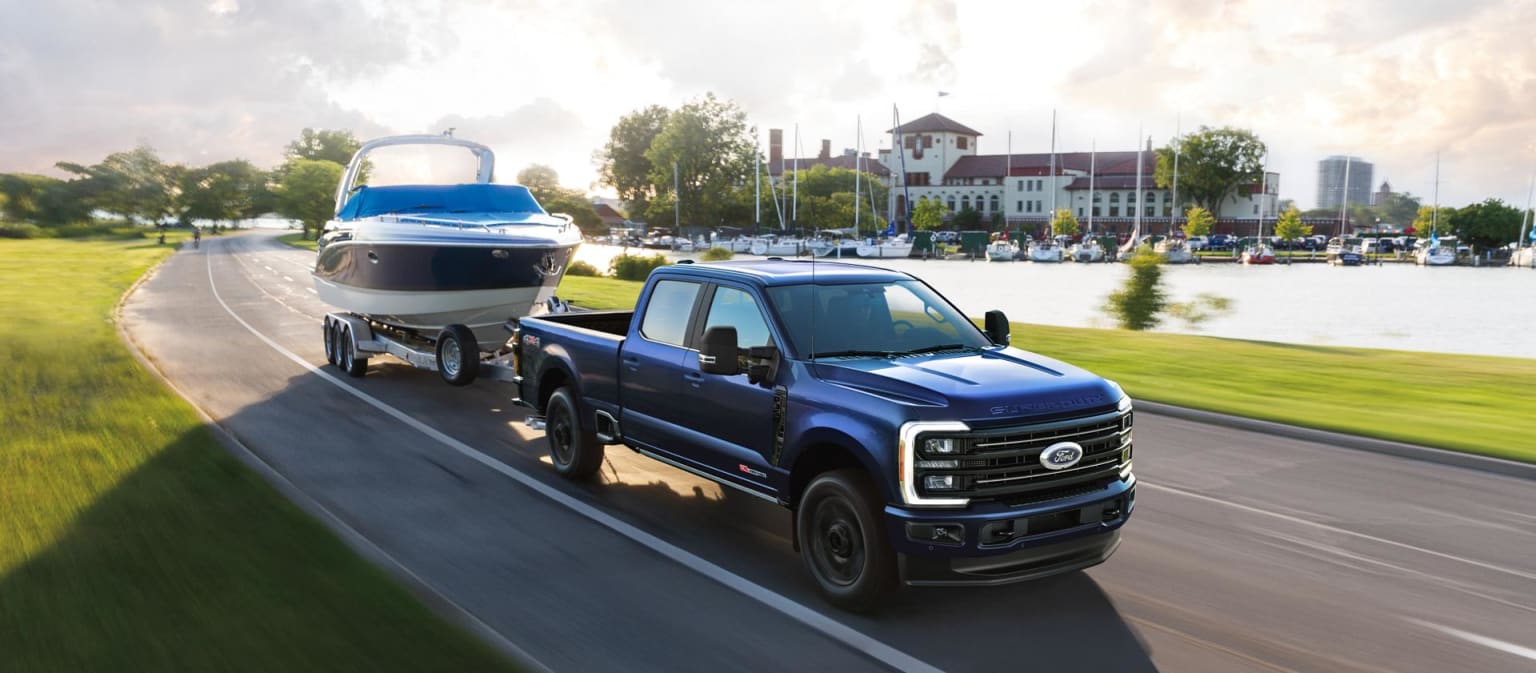
The 7.3L gas V8 is often the smarter fit for occasional campers, boats, and utility trailers.
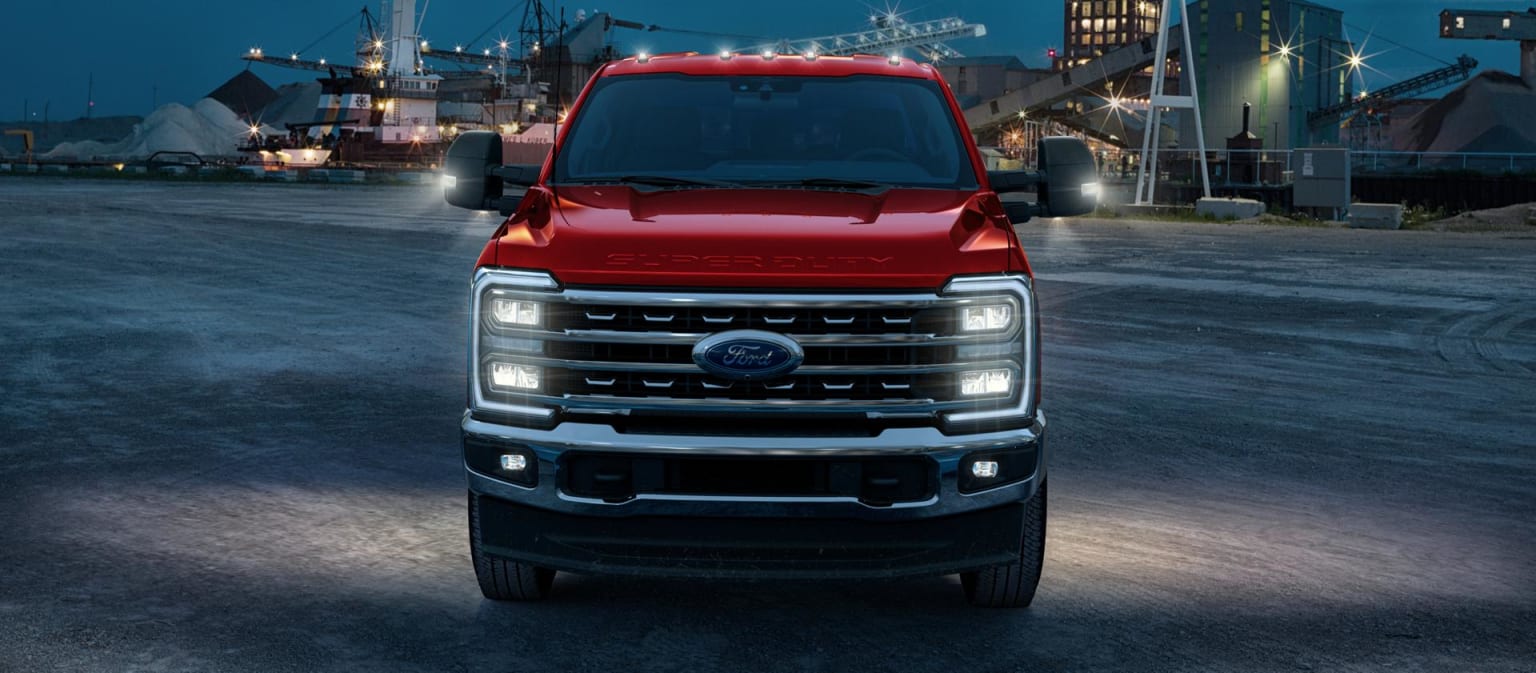
Daily Driving: Gas Can Feel Easier
Not every Super Duty spends its life hooked to a trailer. Some trucks split time between work, errands, family duty, and weekend hauling. That’s where 7.3 Godzilla vs 6.7 PowerStroke becomes less about maximum numbers and more about daily fit.
The 7.3L gas V8 can be a great match for drivers who want strong acceleration, familiar fueling, and less diesel complexity. It’s also a smart fit if most of your driving is unloaded or lightly loaded.
The 6.7 PowerStroke engine may feel like more truck than you need if your trailer use is occasional. But if your “daily drive” includes a heavy trailer, jobsite load, or highway route with equipment behind you, diesel starts making more sense fast.
How to Choose Between Gas and Diesel
The right answer to 7.3 Godzilla vs 6.7 PowerStroke starts with your real work, not someone else’s opinion.
The best Ford Super Duty engine options are not just about horsepower. Your trailer weight, driving distance, ownership plans, and maintenance preferences all help decide 7.3 Godzilla vs 6.7 PowerStroke.
Choose the 7.3L Godzilla If…
You want strong Super Duty power, lower upfront cost, gas-engine familiarity, and a truck that can handle work without diesel ownership needs. This is often the better fit for mixed-use driving, local jobs, lighter towing, and drivers who want a simpler long-term routine.
Choose the 6.7L Power Stroke If…
You tow heavy often, drive high miles under load, need maximum torque, or plan to keep the truck working hard for a long time. The 6.7 PowerStroke engine is the better fit when your trailer is not occasional—it’s part of the job.
Shop Ford Super Duty at J.C. Lewis Motor Co.
Still comparing 7.3 Godzilla vs 6.7 PowerStroke? Bring us your trailer weight, work needs, commute, hauling plans, and long-term ownership goals.
At J.C. Lewis Motor Co., our team can help you compare Ford Super Duty engine options, review available inventory, understand gas vs diesel tradeoffs, and choose the Super Duty that fits your real driving. Whether you’re leaning toward the Ford 7.3 Godzilla or the diesel torque of the 6.7 PowerStroke engine, we’ll help you find the truck that makes sense before you sign.
7.3 Godzilla vs 6.7 PowerStroke FAQs
Trying to decide 7.3 Godzilla vs 6.7 PowerStroke for your Super Duty? These quick answers cut through the gas-vs-diesel noise so you can choose the truck that fits your towing, hauling, and ownership plans.