Ford Bronco MPG Guide: Fuel Economy by Engine, Drivetrain, and Trim
The MPG Story Behind the Adventure SUV ⛰️
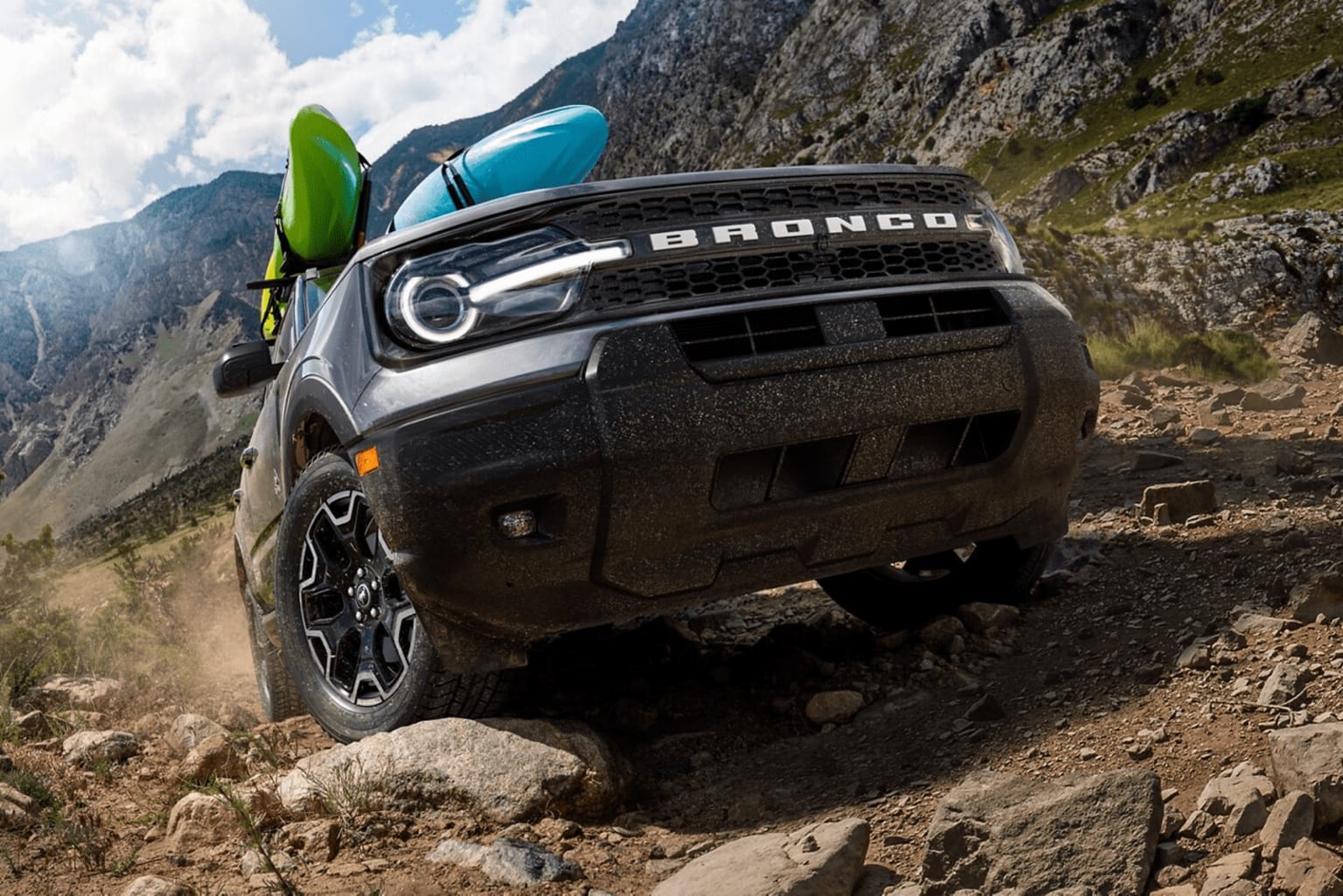
The Ford Bronco is built for driving that doesn’t always fit neatly on a fuel economy chart. It can be a daily driver, beach cruiser, or trail machine with big tires and serious off-road hardware. That is why Ford Bronco MPG depends so much on the exact Bronco you choose.
MPG stands for miles per gallon, or how far a vehicle can travel on one gallon of fuel. For Bronco shoppers, that number can change with engine, tires, drivetrain, trim, equipment, and driving habits.
A lighter two-door Bronco with street-friendly tires will not behave like a Bronco Raptor with wide fenders, aggressive tires, extra power, and performance suspension. Same name. Very different personality.
At J.C. Lewis Motor Co., we help shoppers compare the numbers behind the fun, from daily-driver fuel economy to Ford Bronco Raptor MPG, so they can find a Bronco that fits their plans.
Quick Answer: What Is Ford Bronco MPG?
For 2026, published EPA fuel economy estimates show many Bronco trims landing in the high-teens to around 20 MPG combined, depending on trim and configuration. For example, some 2026 Bronco builds are listed around 20 MPG combined, while more off-road-focused trims and Bronco Raptor sit lower. Always confirm the window sticker for the specific Bronco you’re considering.
That means Ford Bronco MPG is not one single number. It changes based on engine, transmission, drivetrain, tire size, body style, trim, and off-road equipment.
The short version: the more trail-focused the Bronco gets, the more fuel economy usually moves down.
2026 Ford Bronco MPG by Trim
Use this 2026 Ford Bronco MPG chart as a shopping guide. Exact fuel economy can vary by configuration, tire size, equipment, accessories, cargo, terrain, and driving habits, so always confirm the window sticker on the Bronco you are considering.
2026 Ford Bronco Trim | Estimated MPG |
|---|---|
Outer Banks | 18 city / 22 highway / 20 combined |
Big Bend | 18 city / 21 highway / 19 combined |
Base | 18 city / 21 highway / 19 combined |
Heritage Edition | 18 city / 21 highway / 19 combined |
Badlands | 17 city / 18 highway / 17 combined |
Stroppe Edition | 17 city / 17 highway / 17 combined |
Bronco Raptor | 15 city / 16 highway / 15 combined |
Engine Choice: 2.3L, 2.7L, and 3.0L EcoBoost
The engine is one of the biggest reasons Ford Bronco MPG can change from one build to another. The Bronco lineup gives shoppers three EcoBoost personalities, each with a different balance of efficiency, power, and trail attitude. At the far end, Ford Bronco Raptor MPG reflects the most performance-focused setup.
2.3L EcoBoost I-4
The 2.3L EcoBoost is the most efficiency-minded Bronco engine. It is a strong fit for shoppers who want Bronco style, turbocharged power, and everyday drivability without automatically choosing the thirstiest setup.
2.7L EcoBoost V6
The 2.7L EcoBoost V6 adds more muscle. It can be a great match for drivers who want stronger acceleration, more confidence in a four-door Bronco, and a little extra power for weekend plans. Just remember that Ford Bronco MPG can vary by trim, tire size, and equipment.
3.0L EcoBoost V6
The 3.0L EcoBoost V6 belongs to the Bronco Raptor. It is built for high-performance off-road driving, not fuel sipping. That is why Ford Bronco Raptor MPG sits lower than other Bronco trims.

Transmission and Drivetrain Matter, Too
Bronco models are built around 4x4 capability, but not every 4x4 setup or trim has the same fuel economy profile. Heavier components, more aggressive gearing, and off-road-focused equipment can all affect how much fuel the SUV uses.
Transmission can matter as well. Ford Bronco MPG can vary across configurations, and highway testing has shown differences between automatic, manual, and V6 setups.
In practical terms, a Bronco that spends most of its time on pavement with moderate tires may be easier on fuel than a more trail-focused model with extra hardware. If MPG is high on your priority list, compare the exact window sticker, not just the trim name.

Why Tires and Off-Road Equipment Can Lower MPG
This is where Bronco shoppers need to be honest about how they drive.
Big tires look incredible. So do lifted stances, wider fenders, skid plates, beadlock-capable wheels, and trail-focused packages. But Ford Bronco MPG can change when you add more off-road equipment.
More aggressive tires can add rolling resistance. Extra hardware can add weight. A taller or wider setup can add aerodynamic drag. Shorter gearing can help off-road control, but it may also affect efficiency at speed.
The Bronco is not a one-size-fits-all SUV. It is a choose-your-own-adventure machine, and the adventure you choose can show up at the pump.
Ford Bronco Raptor MPG: Why It’s Different
The Bronco Raptor deserves its own lane.
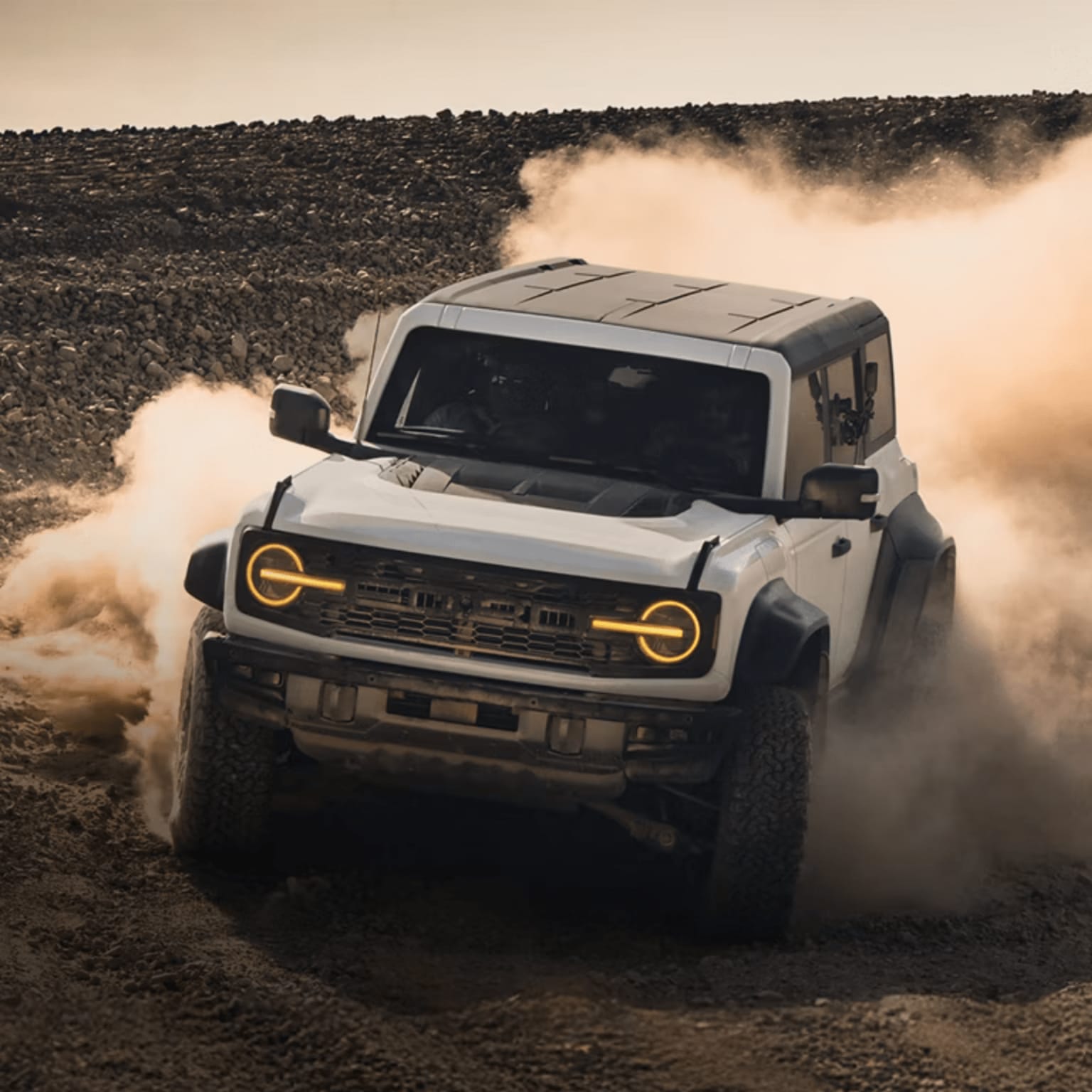
Ford Bronco Raptor MPG is lower because Raptor is built for serious off-pavement performance, not maximum efficiency. It brings a high-output 3.0L EcoBoost V6, wider track, performance suspension, off-road tires, and added hardware for speed and control beyond the pavement. Compared with other Bronco builds, Ford Bronco MPG looks different here because Raptor is tuned for capability first.
For 2026, the Bronco Raptor is listed at 15 MPG city, 16 MPG highway, and 15 MPG combined. Exact ratings can vary by model year and configuration, so always confirm the window sticker for the Bronco you’re considering.
That tradeoff makes sense. If your Bronco will mostly run errands, commute, and cruise to the coast, Raptor may be more SUV than you need. If you want the wildest factory Bronco personality, the Ford Bronco Raptor MPG tradeoff may be worth it.
Daily Driver Bronco vs. Trail-Focused Bronco
Here’s the real question: how will you use it?
Neither choice is wrong. The key is matching Ford Bronco MPG expectations to your real life instead of paying for capability you rarely use or skipping capability you will actually need.
Daily Driver Bronco
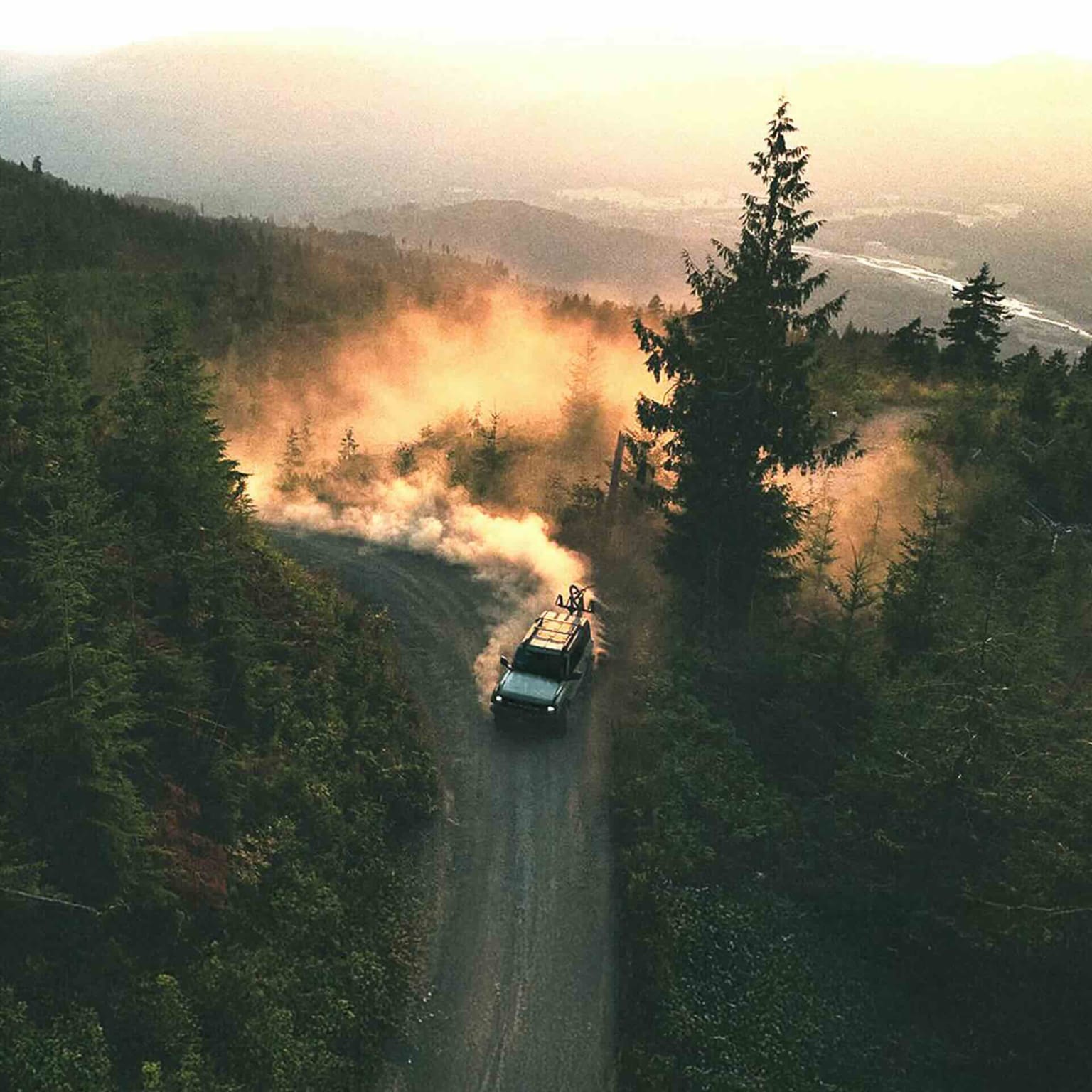
A daily-driver Bronco spends more time around town, on highways, in school pickup lines, and on weekend drives. For that kind of use, shoppers may want a trim with a better balance of comfort, capability, and fuel economy.
Trail-Focused Bronco
A trail-focused Bronco may have larger tires, more off-road equipment, tougher suspension, and features built for mud, sand, rocks, and rougher terrain. That setup can feel more confident off pavement, but it can also pull Ford Bronco MPG down.
Two-Door vs Four-Door Bronco
Body style can also play a role in 2026 Ford Bronco MPG.
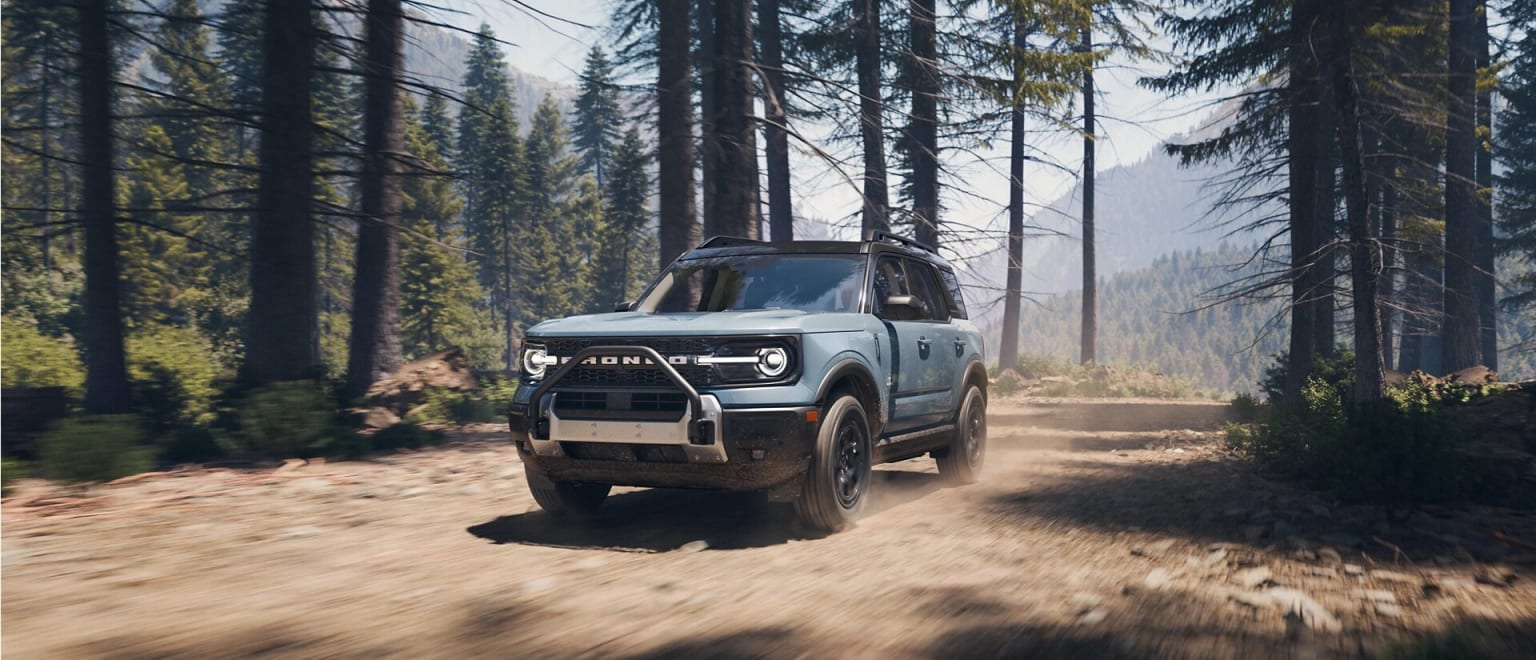
A two-door Bronco is shorter and lighter in many configurations, which can make it feel more playful and compact. A four-door Bronco adds passenger room, easier rear-seat access, and more cargo flexibility, but may carry more weight depending on trim and equipment.
Choose four-door if you need family space, road-trip room, or easier daily access. Choose two-door if you want the classic Bronco feel and do not need as much rear-seat space.
The right fit depends on who rides with you, what you carry, how often you need the extra room, and whether the Ford Bronco Raptor MPG tradeoff is part of your comparison.
How to Improve Ford Bronco MPG ✨
You cannot turn a Bronco into a compact hybrid, but you can help it use fuel more efficiently.
Start with tire pressure. Underinflated tires can hurt fuel economy and affect how the Bronco feels. Keep up with regular maintenance, including oil changes, air filters, and alignment checks.
Slow down on the highway when you can. Boxy SUVs and high speeds are not best friends. Remove unneeded cargo, roof gear, or heavy accessories when you are not using them. Accelerate smoothly, avoid hard braking, and use the right drive mode for the situation.
For better Ford Bronco MPG, think smooth, steady, and properly maintained.
Which Bronco Is Best If MPG Matters?
If fuel economy is one of your top priorities, start with the less extreme builds.
Look closely at trims like Big Bend or Outer Banks, then compare engine, tire size, body style, and equipment. A Bronco with moderate tires and fewer off-road extras will usually make more sense for drivers who mostly commute, run errands, and take occasional weekend trips.
If you love trail capability but still care about fuel use, Badlands may be worth comparing carefully. It brings more off-road confidence, but Ford Bronco MPG can be lower than more road-friendly trims.
If you are shopping Raptor, go in with clear expectations. Ford Bronco Raptor MPG is part of the performance tradeoff.
How J.C. Lewis Motor Co. Can Help You Compare
Our team can help you review window stickers, engine options, drivetrain details, tire packages, off-road equipment, and trim differences.
The best way to understand Ford Bronco MPG is to compare those details on specific vehicles, then think through how each Bronco fits your daily commute, weekend plans, beach trips, trail goals, and budget.
The right Bronco is not always the one with the highest MPG. It is the one with the right mix of capability, comfort, style, and fuel expectations.
Find Your Ford Bronco at J.C. Lewis Motor Co.
The Bronco is built for personality. Some versions are easygoing daily drivers. Others trade fuel efficiency for trail strength. Raptor takes that idea even further.
If you are comparing 2026 Ford Bronco MPG, engine options, trims, and packages, J.C. Lewis Motor Co. can help you find the setup that fits your kind of driving. Shop new Bronco inventory online or visit J.C. Lewis Motor Co. to get behind the wheel of various Bronco models in person.
Ford Bronco MPG FAQs
Have questions about Ford Bronco MPG, Ford Bronco Raptor MPG, or 2026 Ford Bronco MPG by trim? These quick answers can help you compare fuel economy before you choose your Bronco.